
Season Two, Episode Seven
”The Sacred Care Of Priceless Objects”
subscribe to our mailing list for more updates
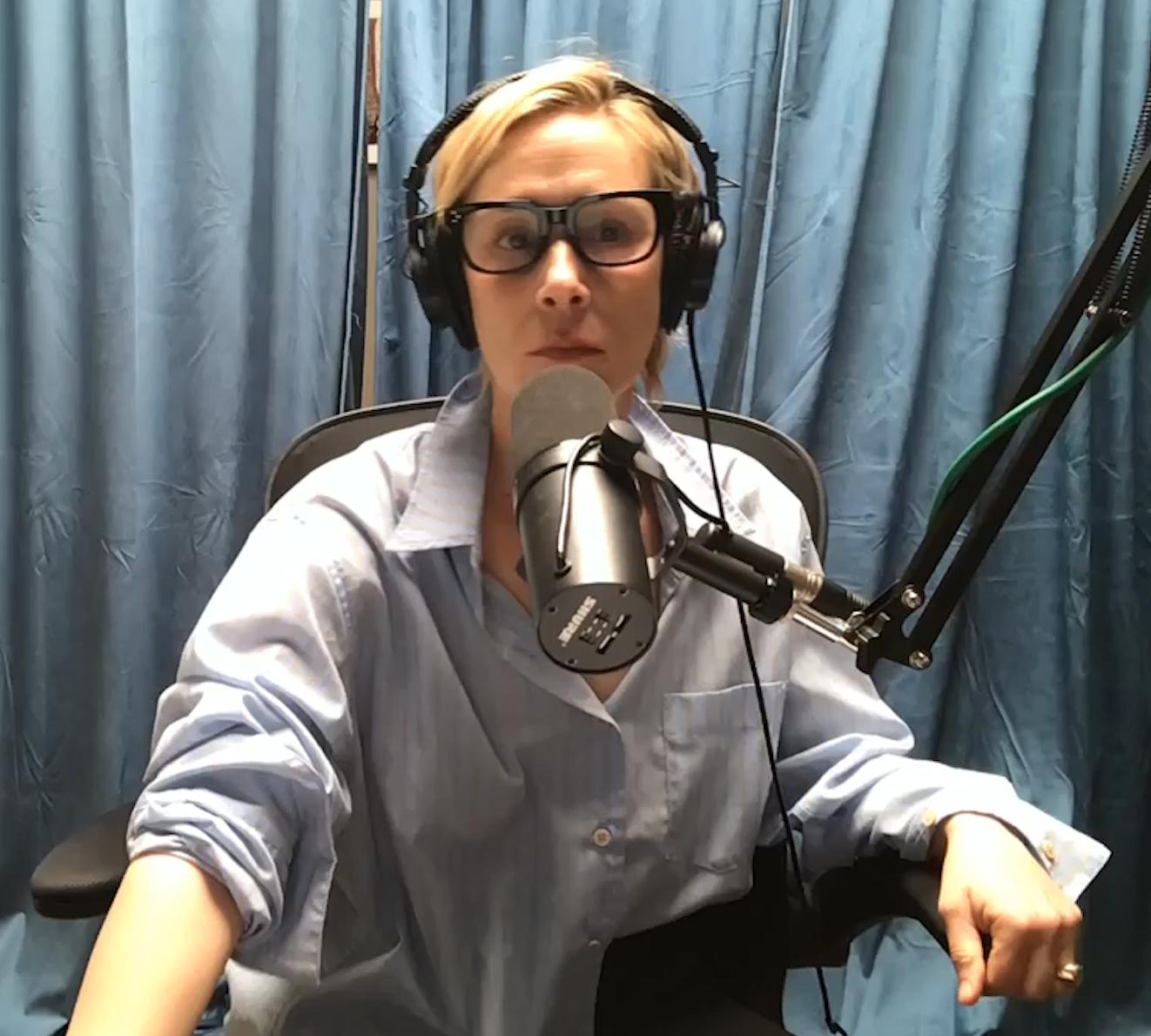


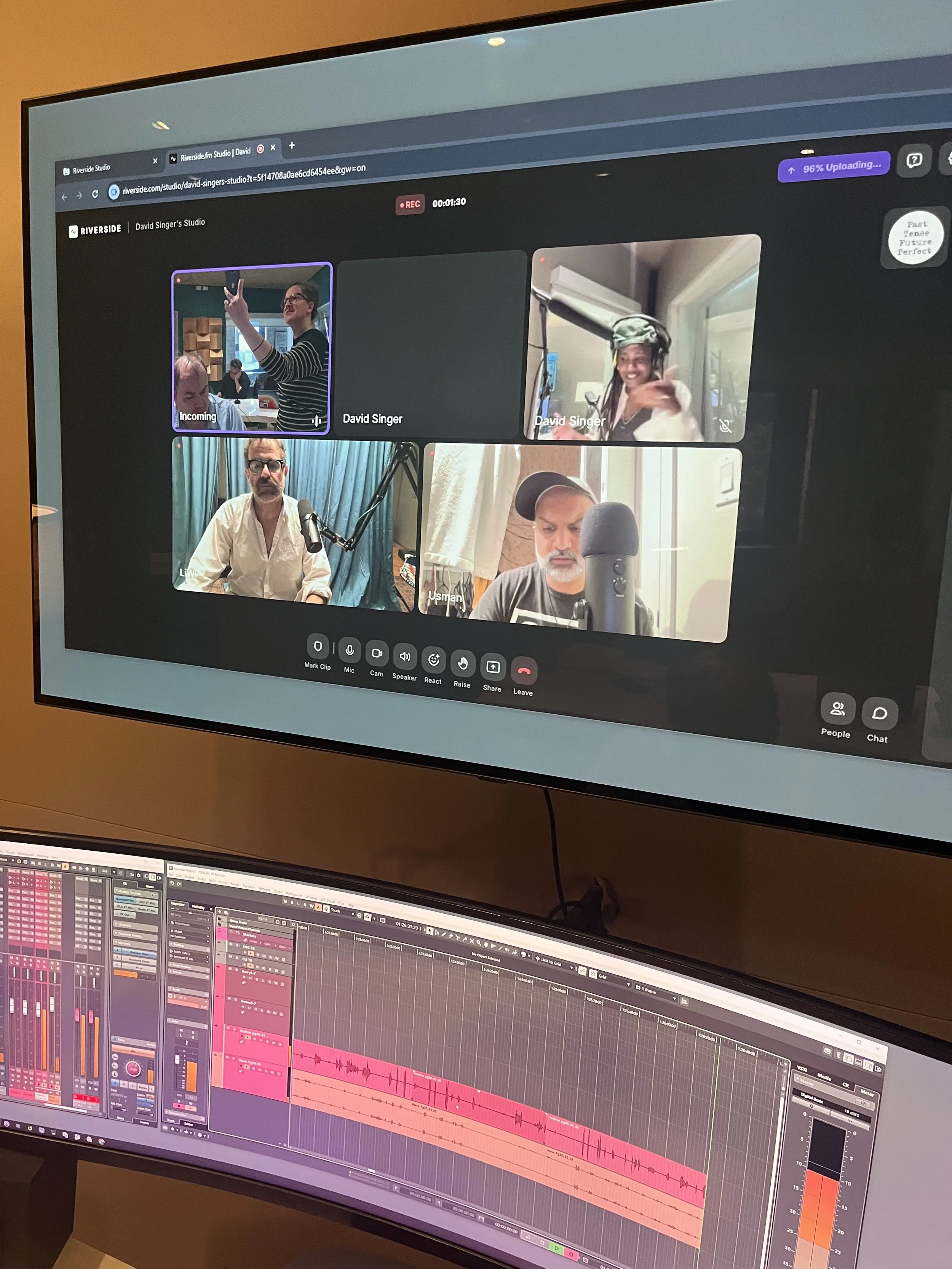

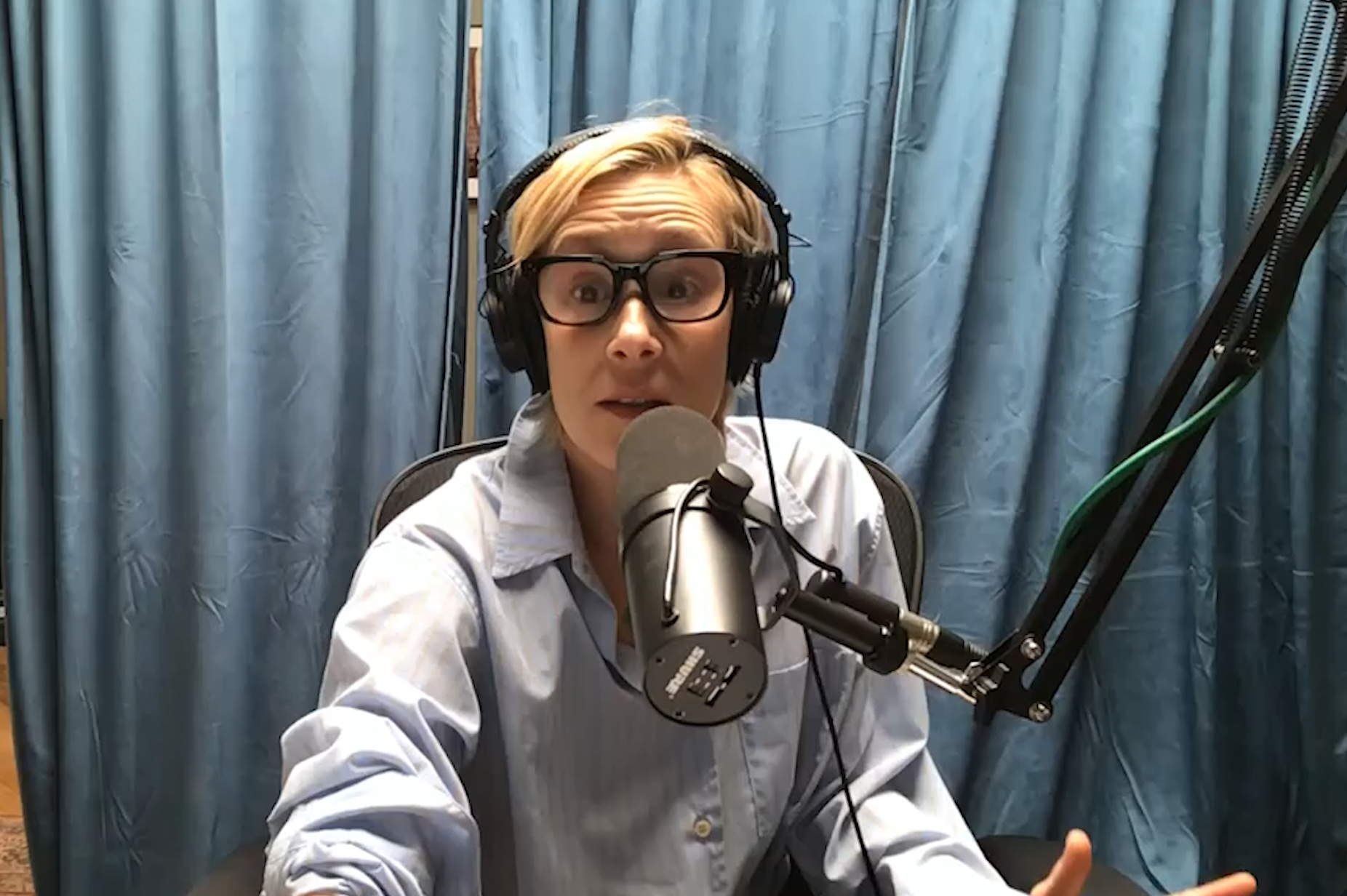

Ireon Roach as Mary, Tia Pinson as Deena, and Marcus D. Moore as Barry
Ireon Roach as Andrea and Liza Weil as Mary
The primary way that visual art makes the news is when a piece is auctioned off for an historic amount.
A Leonardo of disputed provenance sold in 2017 for $450m. It had previously been bought in 1958 as part of a lot of paintings from the Cook Collection for about $120. Is it Leonardo’s work? Did he just make part of it? No one can say for sure. But apart from the restoration, it remains the same image and object it was in 1958. Why would it appreciate 3.75 million times in value? Because it is more than an image. It is, first and foremost, an object imbued with power thanks to the shared illusion we have about the nature of genius.
Gustav Klimt’s Portrait of Elisabeth Lederer was sold in 2025 for a world-historic $236.4m. It was previously confiscated by the Nazis in the late 1930s, bought by the heir to the Estée Lauder cosmetics fortune in the early 1980s, and then just kept out of view until it became the most expensive piece of modern art ever sold. Is it a moral outrage that Justin Lauder took this beautiful painting and squirreled it away until he could maximize its return value? Is there a duty that transcends mere ownership?
That’s at the heart of the conversation our characters are having in The Sacred Care of Priceless Objects. For almost everyone, a painting or a sculpture’s value is predicated entirely on what somebody else would pay for it. Famous works of art are only owned by institutions and the impossibly rich benefactors who loan them pieces of their personal collections. But it is possible to claim ownership of something by loving it deeply, by understanding it with a particular vision. I feel this way about all sorts of pieces, both the ones in museums and the ones that are hanging on the walls of my messy little office. Human beings seem naturally predisposed to develop attachments to specific objects, from the teddy bear you had when you were a toddler to a framed photograph that sat on your mother’s desk. It is hard to imagine that you could feel the same about a photo of the photo sitting on her desk, even if the image itself was identical. There is something hardwired in us to appreciate the tactile, to share a room with The Birth of Venus or The Winged Victory of Samothrace, or in Chicago with American Gothic. For many people, it’s the proximity to something “famous”. But beyond that, it’s the idea that we are sharing airspace with an actual thing that is suffused with the lifeforce of the actual person who made it.
— —
Andrea and Mary in The Sacred Care of Priceless Objects share this kind of understanding. And if certain destruction was on its way, what better way to spend your last few minutes than surrounded by these treasures, these refracted visions of what it means to be human, to understand life across many centuries, to contemplate what it means to see?
And what about “Mary”? She’s not who Andrea believed her to be, but who is she? Her stories seem detailed, but are they just made up from whole cloth? Are there shiny elements in them, little clues that reveal more about the teller than the subject? I’ll let you decide for yourself.
Worth noting: the painting that Andrea is looking at when the alert comes through, “When Frustration Threatens Desire”, is by the great Kerry James Marshall. Here’s what it looks like:
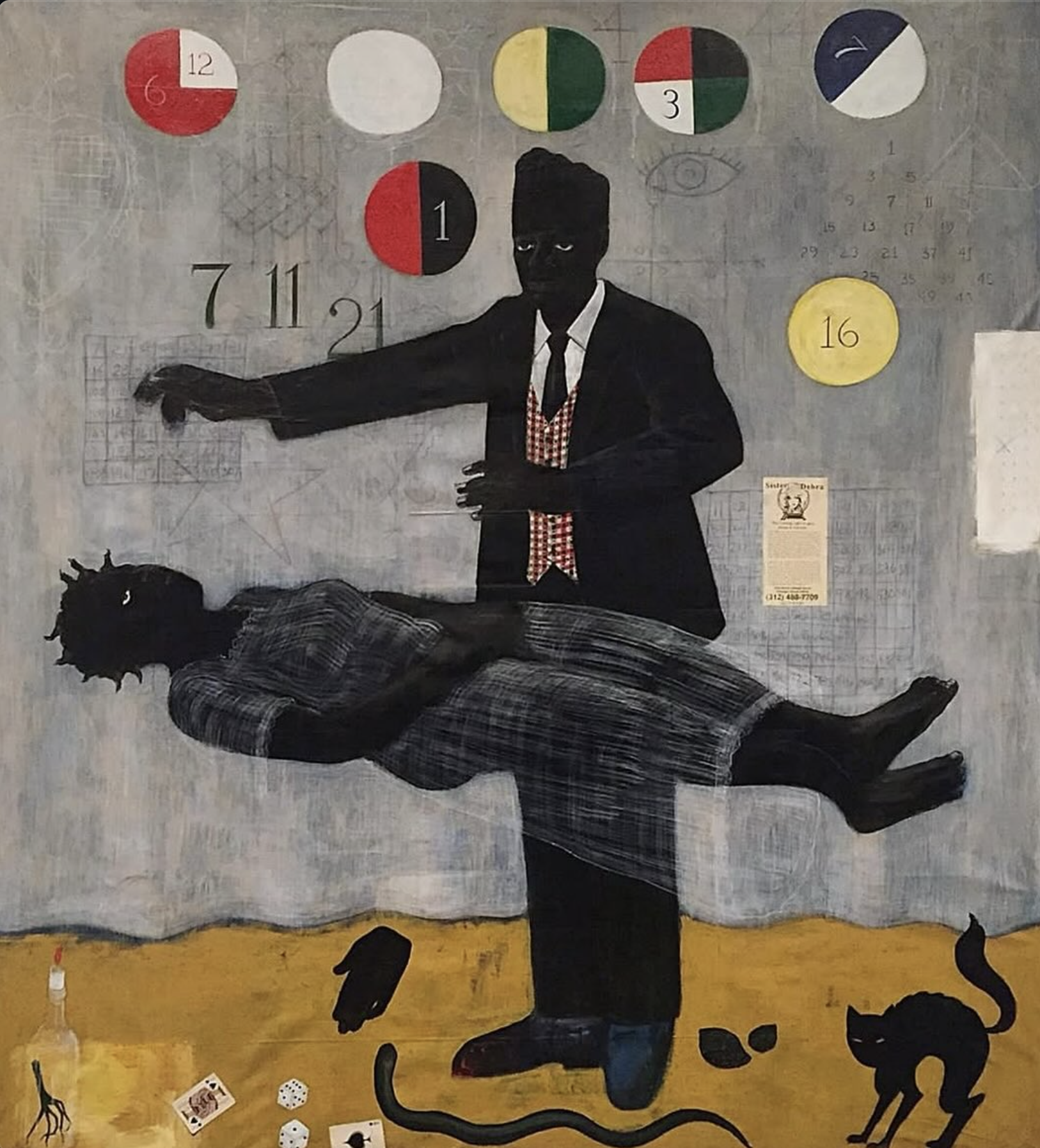
I did not ask for permission to reproduce it here, so if he wants me to take it down, I’ll be happy to. His wife was a close friend of my mother’s, so if it comes down to it I’ll try making an emotional appeal.
This episode only works because of the spectacular performances from Ireon Roach and Liza Weil, who created two very real people in a very unusual circumstance. There are tremendous and funny turns from Tia Pinson as Deena and Marcus Moore as Barry - I think their reactions are what most people would do in that situation. And I’m very grateful to the incredible Usman Ally for making some time to be a part of our show. Special thanks to Ella Myers as the voice of the audio tour and Gretchen Dietrich as the 911 operator.
Gretchen, in fact, is the Executive Director of the Utah Museum of Fine Arts, and was very generous with her time while explaining the finer points of museums and how they operate while I was researching this one. We had a great conversation as a Bonus Episode too - some of it should be available as a video on this page.
Maurizio Cattelan’s provocation Comedian made headlines on every local news program and USA Today-level broadsheet when it sold for $120,000. Then the second edition (of three) sold to crypto scammer Justin Sun for $6.2m. Why was this news? Because Comedian is a banana duct-taped to a wall. I saw it last week:
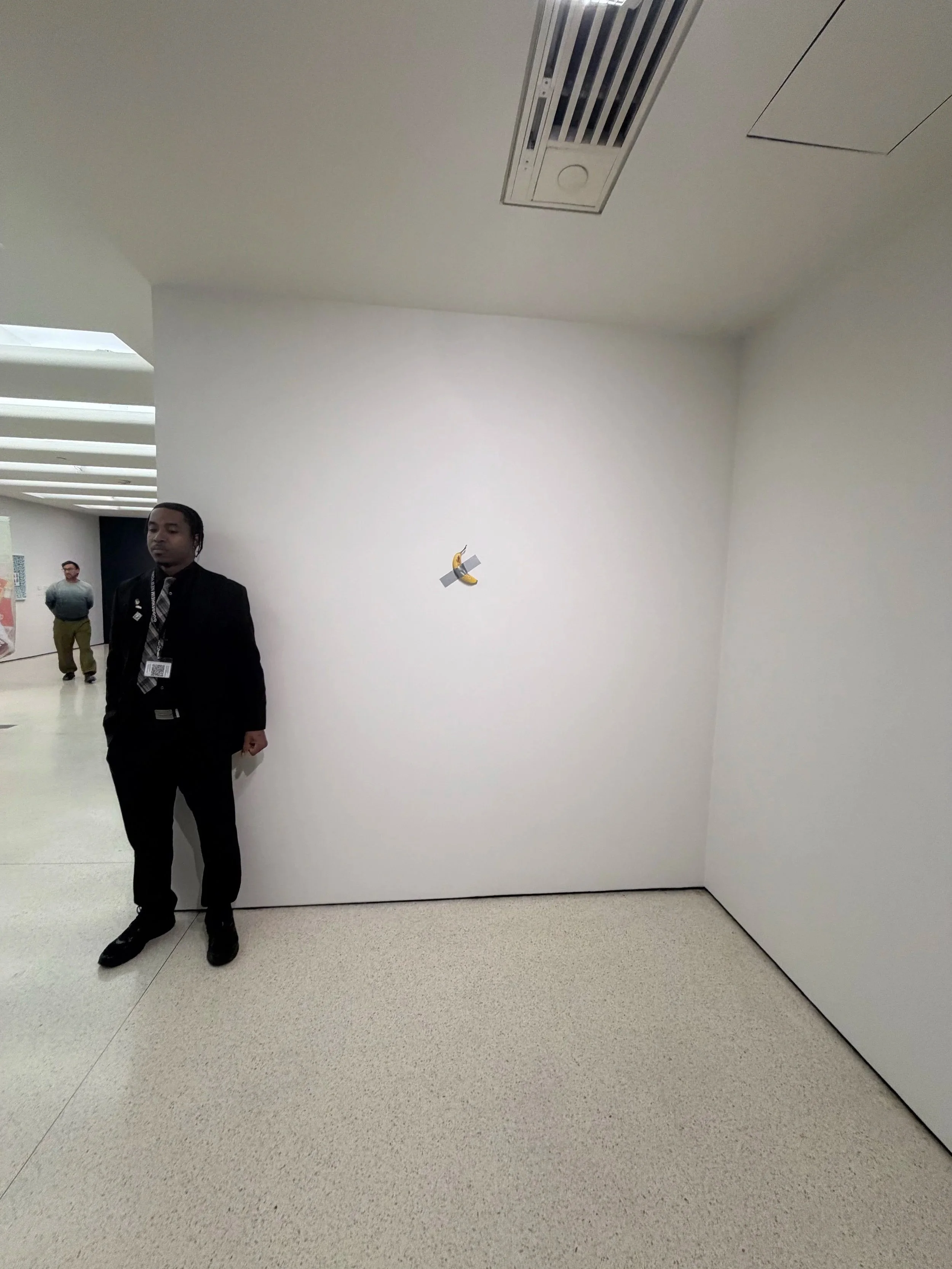
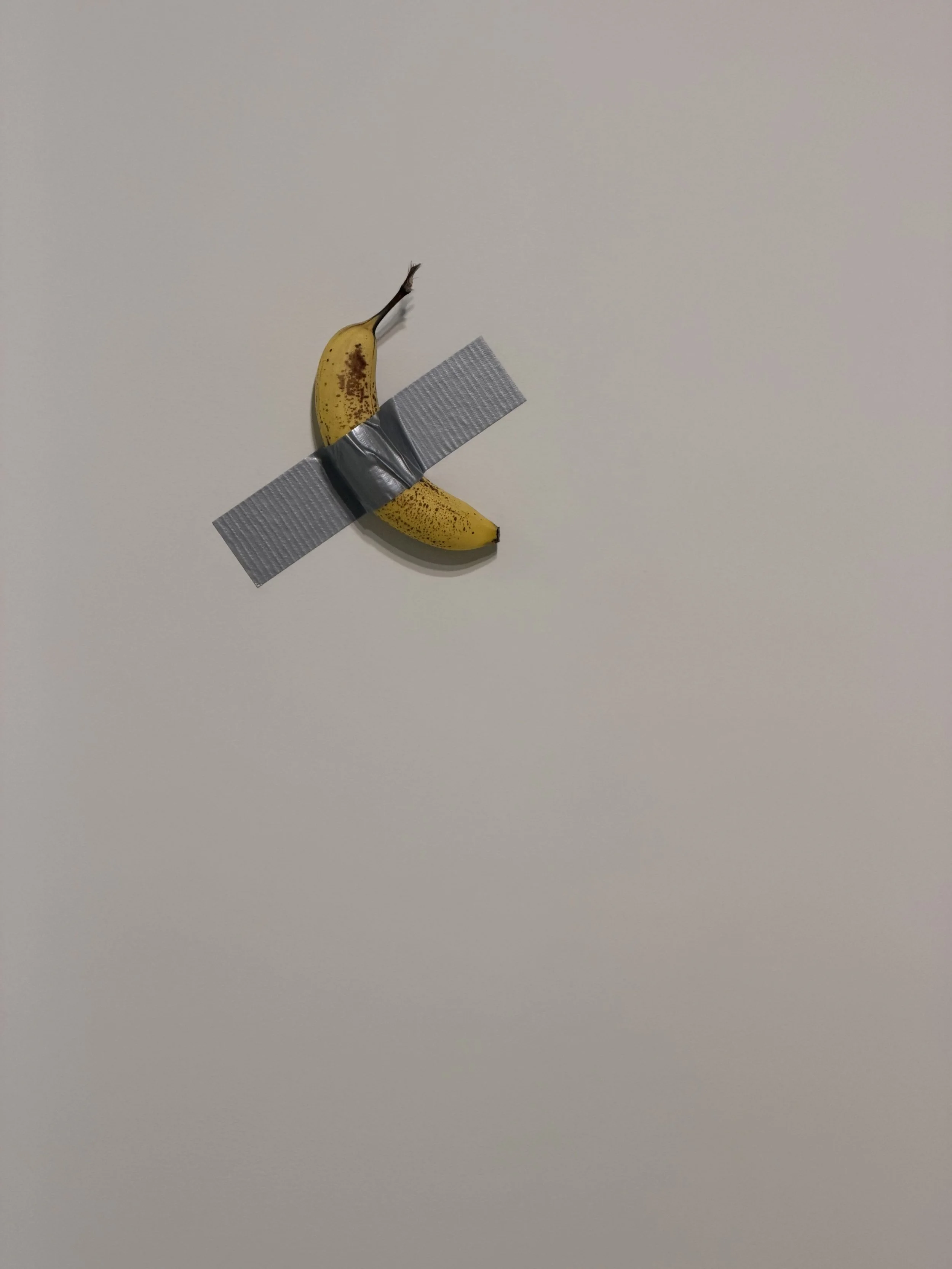
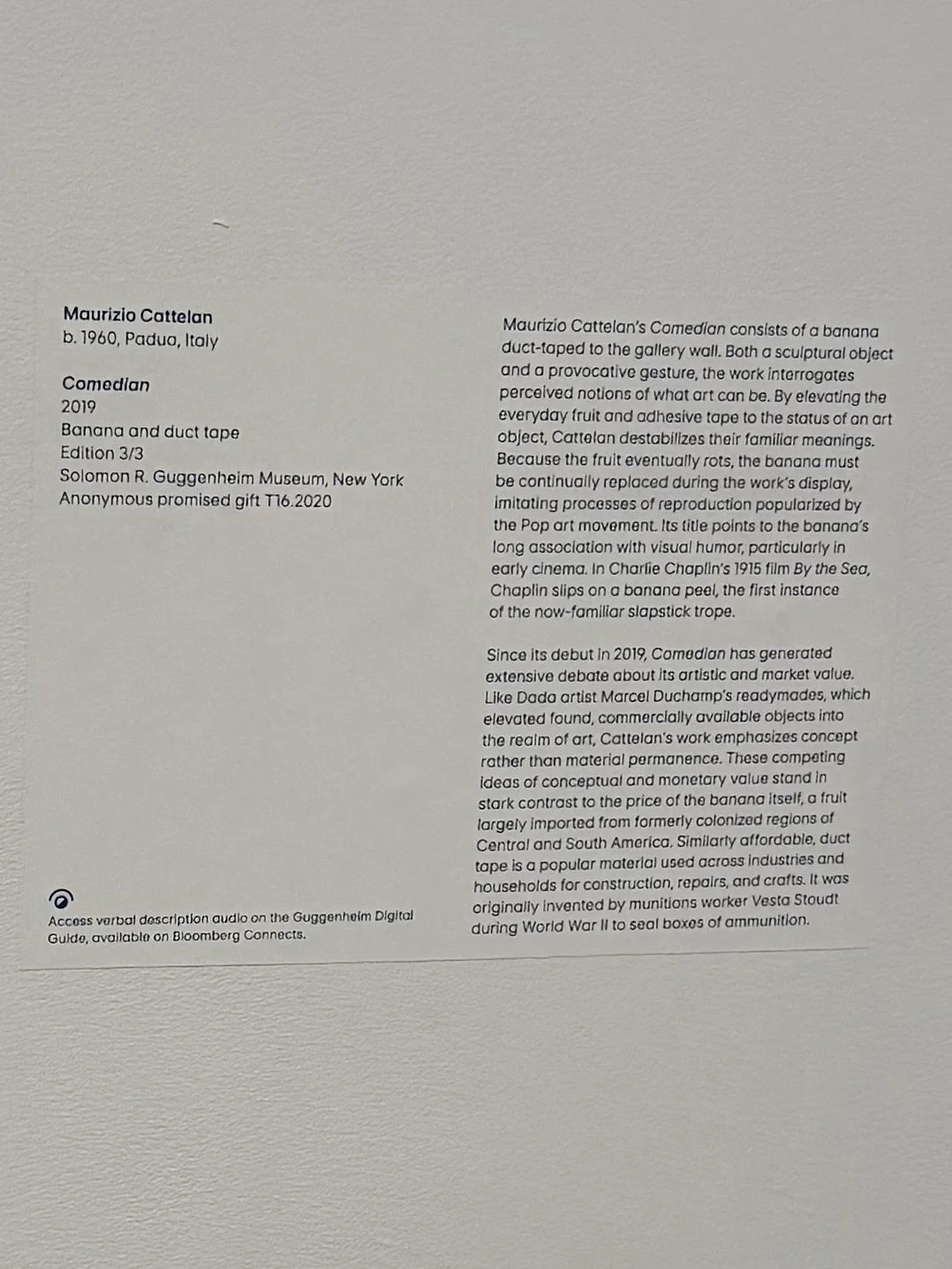
To me, this is a biting satire about art as something of material value. It’s both funny and challenging, and to me, the fact that it’s ridiculous doesn’t change its impact at all.
I think about this one a lot, and I’m glad I finally got to see it. Conceptual art has grown to encompass more than “What is beautiful?” It asks to contemplate intention, ideas that exist beyond execution, juxtapositions of scale and meaning that really make you question what art fundamentally “is”. It’s not for everyone, and that’s fine. Nothing should be.
Me? I love it. That said, I don’t think I’d take it into the basement.