
Season Two, Episode Five
”Old Montauk Hwy.”
subscribe to our mailing list for more updates


Enough already about men and their problems.
The dominant discourse these days seems centered around male desires, or “male loneliness”, or men’s social alienation, as if catering to these very concerns hasn’t been the primary motivator of society since we exited the caves. Or, let’s be honest, before that. Men are deserving of human sympathy, no more or less than anyone else, everybody knows this, let’s move on.
But what it means to be a man has been in a fairly… transitional phase since the 1970s (And I’m speaking here of American Men, I have even less authority to speak intelligently about people elsewhere). My generation was born with Alan Alda and Phil Donahue and “Free To Be, You And Me” in the collective consciousness, which was a pretty sizable paradigm shift. It seems to me that my father’s generation were the first ones truly allowed to love and care for their children, to treat their role in the home as something beyond breadwinner/security guard, to think about careers beyond flannel suits or hard hats. Broadly speaking, their fathers had to primarily bring home a paycheck and not beat up anybody in the house. Many of them accomplished this.
My generation? We get to be fully engaged fathers and yoga teachers and get haircuts that don’t just involve clippers, and we get to go to farmers’ markets and make soup and generally feel unbound from the normative roles that gender used to impose. Well, many of us do, anyway. I imagine there are people who say that this is where society has “gone wrong”. Those people are stupid, and I wouldn’t listen to them if I were you.
-
In “Old Montauk Hwy.”, Sidney is on a knife’s edge between the eras. On the one hand, there are the traditional Business Assholes™ at his firm, who we don’t meet but find it easy to understand based on the way he talks about them. Men in groups of more than 4 should always be viewed like a pack of wild beasts, looking for the weakest among them to ignore or savage, if only to make sure that it isn’t them that’s on the menu. Sidney’s a nice guy, he loves his wife, he does his job. Still, he can’t help but measure his accomplishments against the money and prestige of his boss, Ted. Even us modern men are hardly immune to this type of scorekeeping. The watch is both a symbol of his subservience and the power that remains out of his grasp. How much shit is one man supposed to eat?
And when men like Sidney (or you, or me) come across another man lost in the maelstrom of what am I expected to be?, there’s an instant and unspoken status assessment. Is this guy more powerful than me? Does he know that, or does he think he’s in charge? How much of Sidney’s behavior can be explained by who he thinks he is in relation to the person he’s talking to, and how much can the circumstances at any given moment make that change?
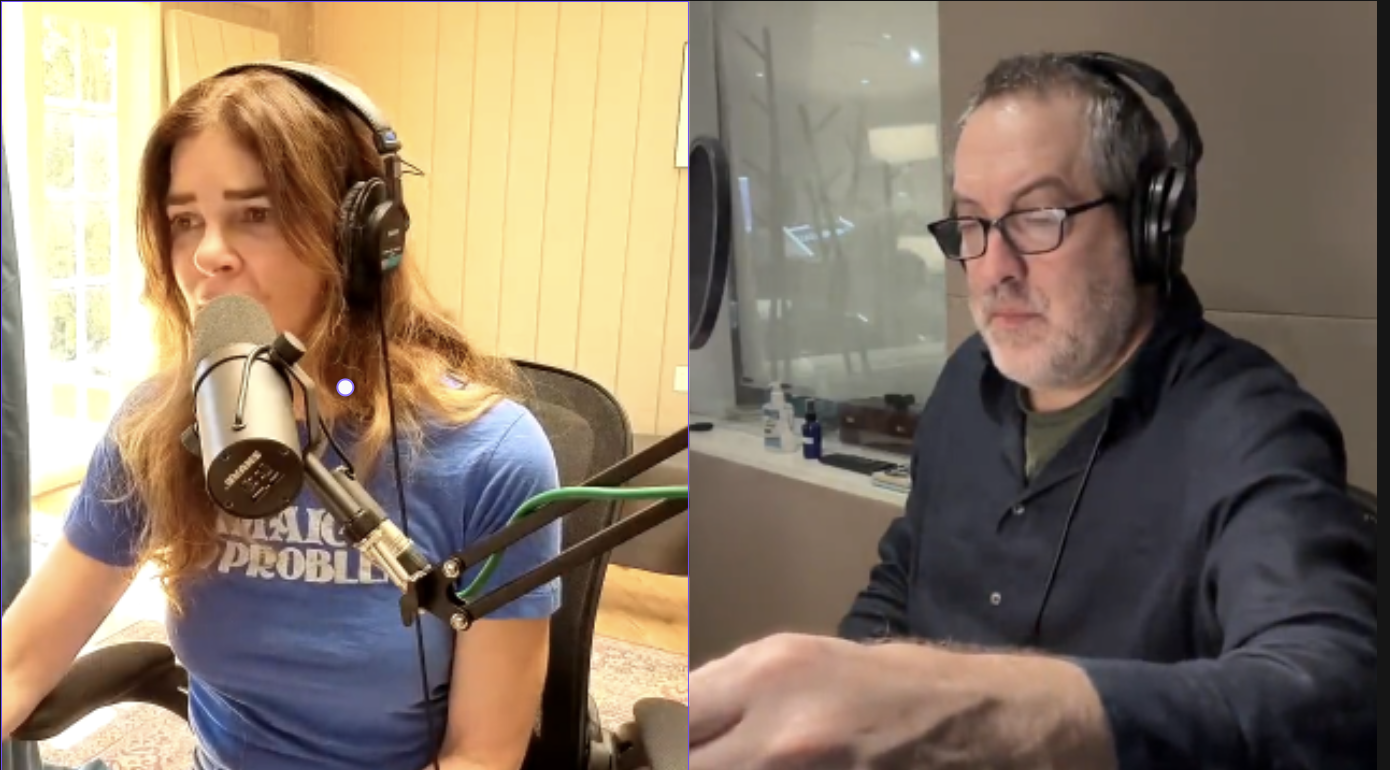
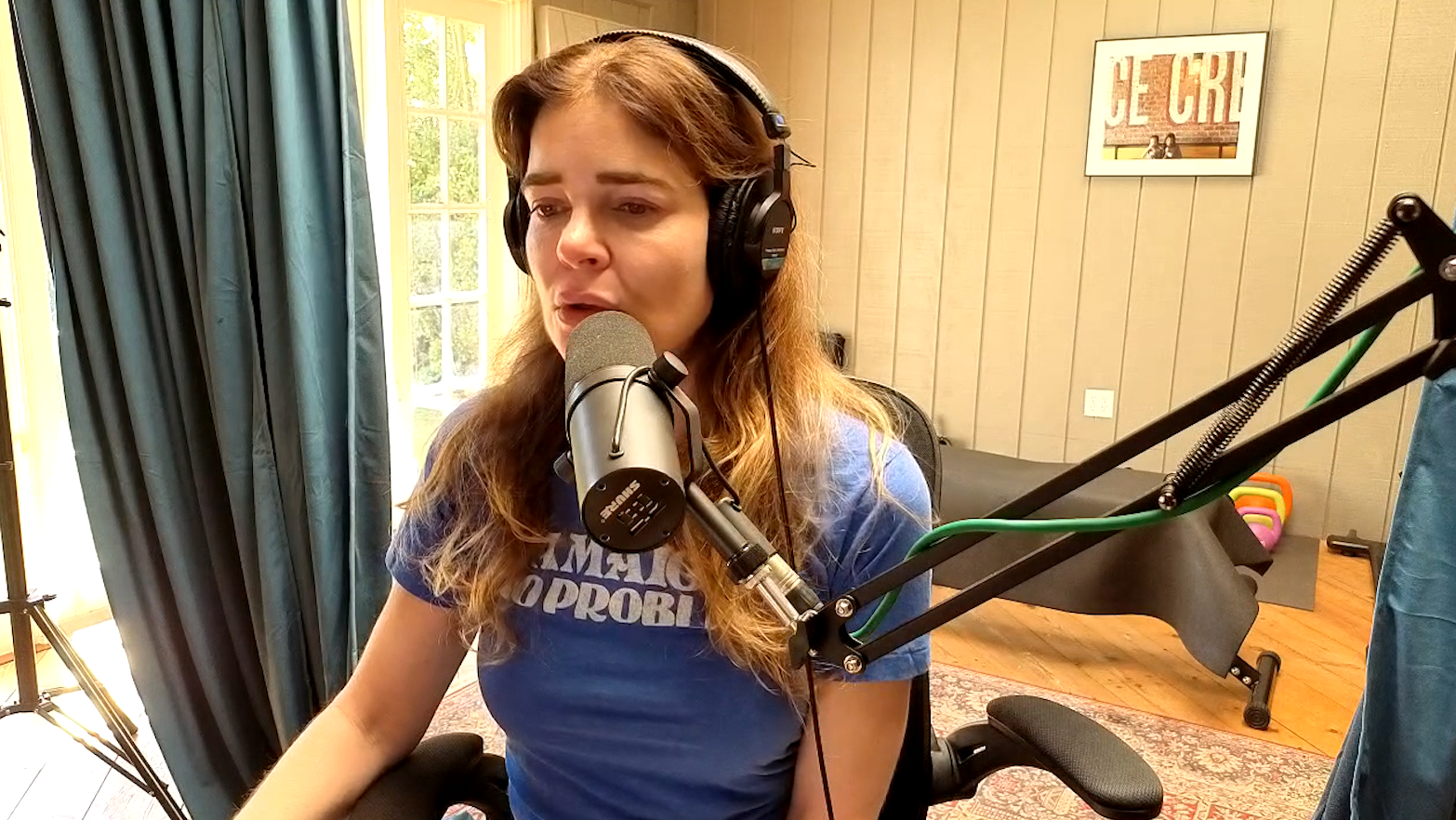
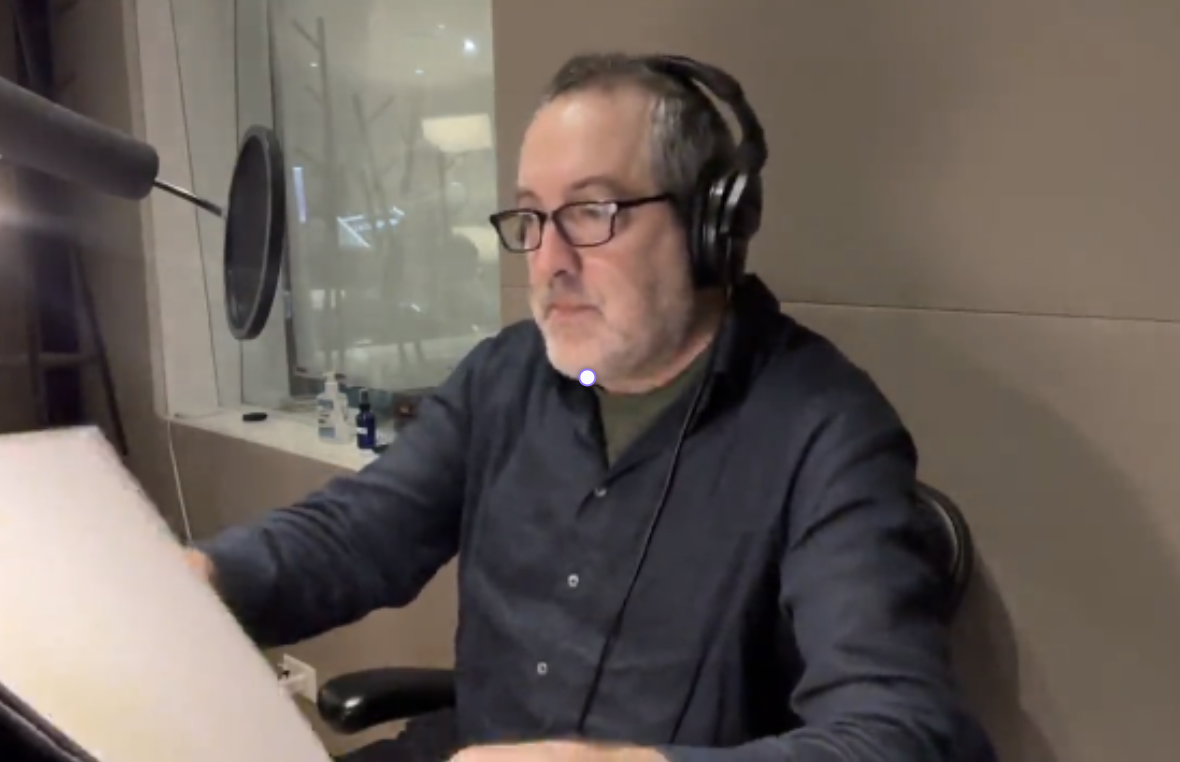
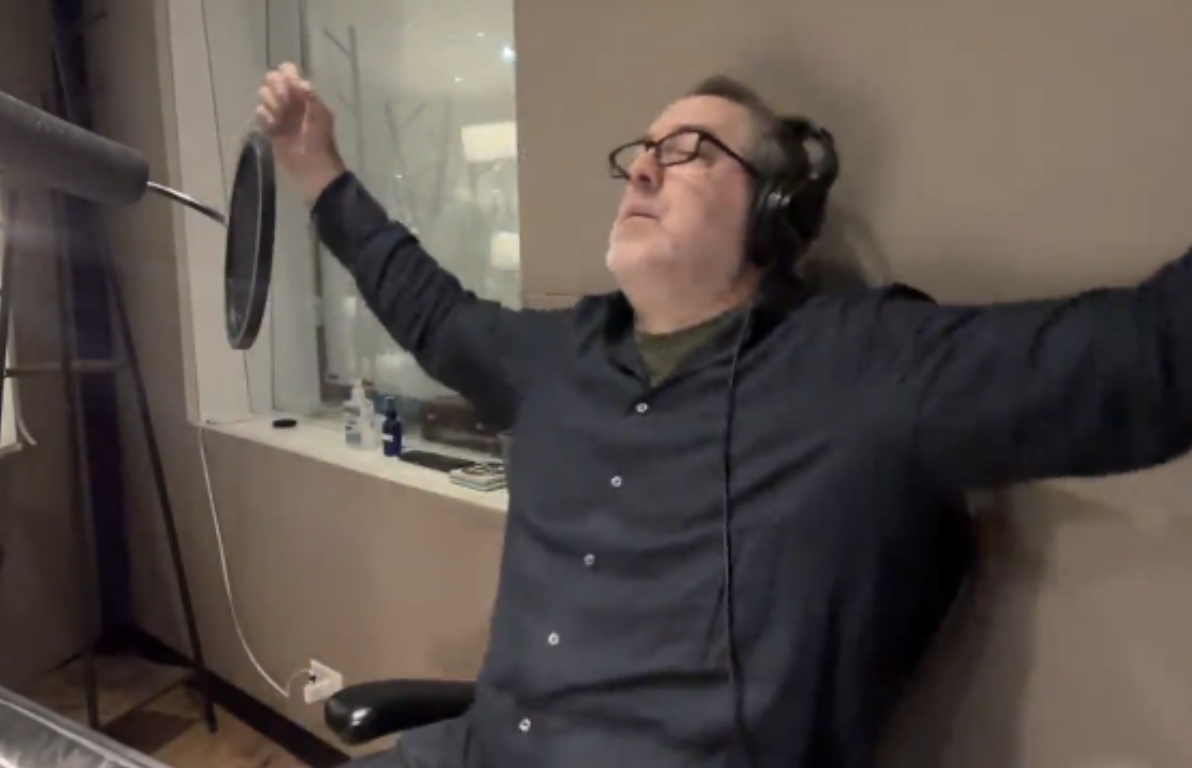
Sidney is brought to life in this terrific performance by the incredible actor and my actual friend from real life, Ian Barford. I’ve known Ian for many years, and I was particularly lucky to have him sing my song “Little Charles” every night during the Broadway run of August: Osage County. He brings such a human vulnerability to every person he plays, and I’ve been waiting to deploy him until I had the perfect role. He is matched in every way by the superb Betsy Brandt, who audiences may recognize as the unforgettable Marie on Breaking Bad. I met Betsy when she played Viveca in the live version of S1’s “Peanut” that we did in LA in 2024, and I was just absolutely floored by her intelligence, her ability to be funny and thoughtful simultaneously, her limitless charisma, and her uncanny knack for making words on the page sound like they’re coming out of a real person. These two are supported by two terrific performances from Thom Cox as Jerry - a snarling and inscrutable man, for sure - and Max Fitzpatrick as the young cop who has to code switch when he finds out he’s dealing with people who are out of his social class. These are real pros in every sense.
Spoiler below, so watch out.
But what about the missile alert? What happened with that? Was it real?
In my mind, it’s a teenager who’s hijacked the signal and is playing a prank. This idea comes from the legendary Max Headroom Incident on Chicago’s WTTW in 1987, when a broadcast of Doctor Who was interrupted by the titular character (ask an old person) spouting some incomprehensible nonsense and then being spanked with a fly swatter. This, as you might imagine, blew a lot of minds in this neck of the woods, and 40 years later they have never figured out who was responsible - or, you know, why. This was back when TV had certain gravitas, and the idea that anyone with a little scientific knowledge could just pirate their way onto the airwaves was incomprehensible. Now, no one knows who’s in charge and everyone just gets their news from YouTube. This is not an improvement, if you ask me!
The infamous Max Headroom Signal Hijack, 11/22/87