
Season Two, Episode Three
”An Act Of Benevolence”
subscribe to our mailing list for more updates





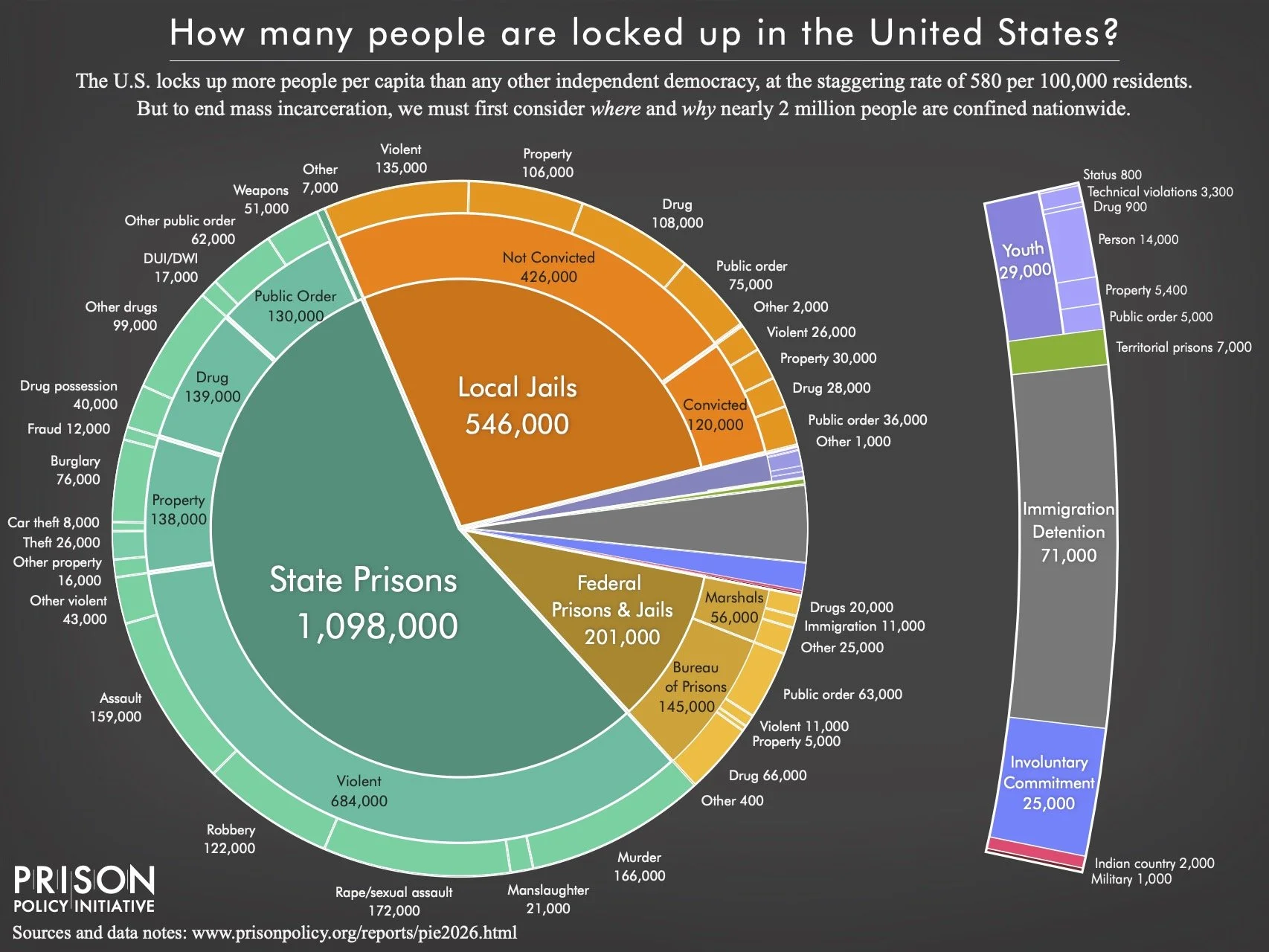
The US is a mass incarceration state, the largest on earth. There are currently 2 MILLION people in prisons and jails in the US. In the early 1970s, that number was 360,000. Every politician and newspaper editorial page demands that we get “tougher on crime”, which inevitably translates into “lock more people up”.
But what is a prison for?
Is it primarily a way to punish those who break the law? Do we strive to make the conditions so terrible that everyone minds the rules to avoid that awful fate? Is it a moral society that jails people for drug possession, for being unable to post bail, for finding their way into our country without documents and working toward building a life here?
And what happens to the people who are in those prisons and jails, and to their families on the outside? Is there anyone who believes that there is a system in place where criminals are rehabilitated, where they’re seen as human beings deserving of help and mentorship, where they can learn skills and become people we see fit to rejoin our communities
It seems to me that it’s seen as a sign of weakness to advocate for prisoners. We don’t even have a good euphemism. “The incarcerated”? Generally speaking, we accept that sympathy is a limited resource, and that any energy spent worrying about “criminals” would be better spent on “victims”. I don’t accept this zero-sum equation. If we think about laws and punishment as a search for societal improvement, then it would surely be the best practice to treat the causes with the same energy as the symptoms.
—
I’ve always been fascinated by the prison chaplain. How do you instill hope in people who, understandably, have none? How do you tell someone in a cage that their fate is part of God’s plan? Admittedly, what little I know about these complicated men and women is from the movies. And those movies were the seeds for this episode.
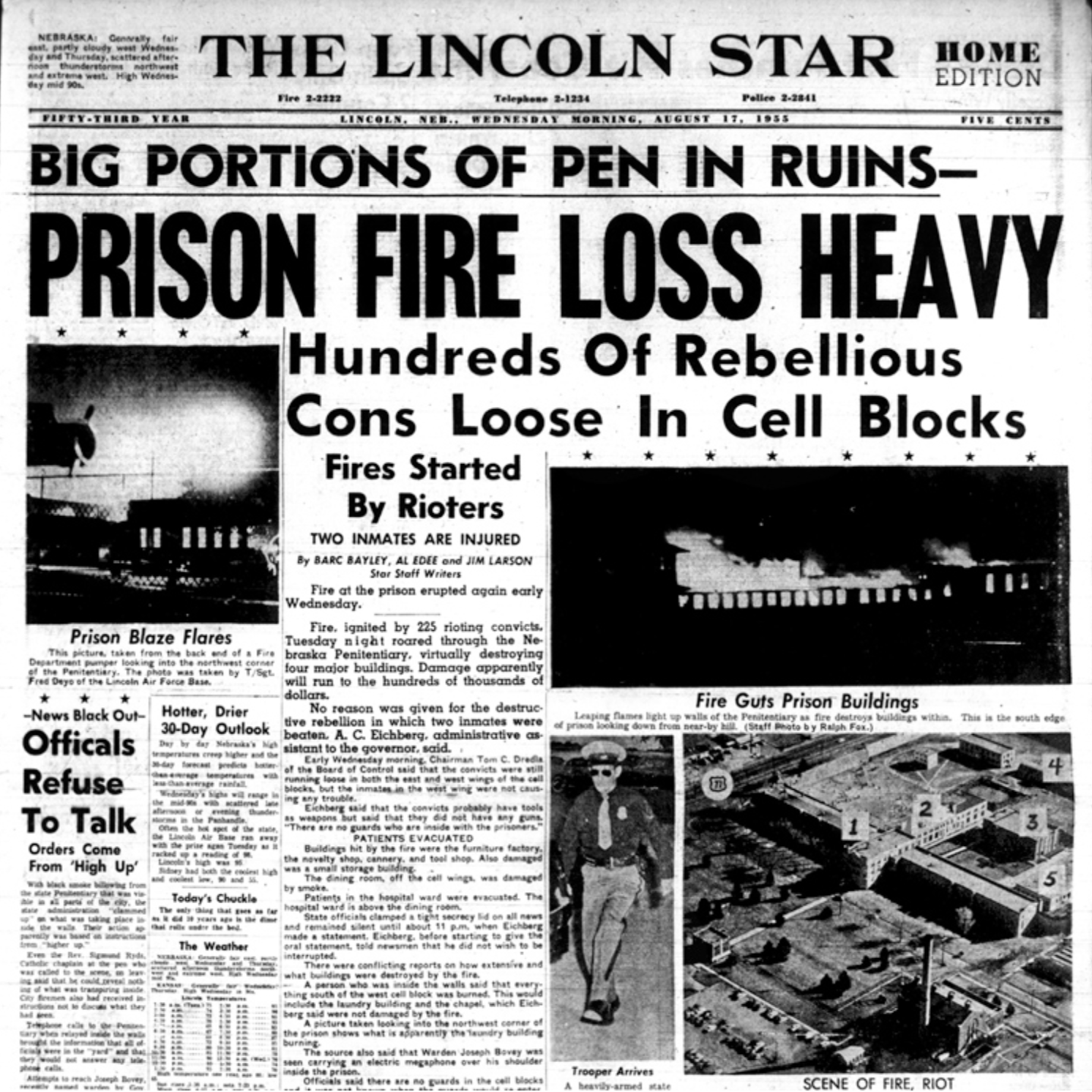
I thought of “An Act of Benevolence” as a film noir, a black-and-white movie from the 1950s. Much of the background information I used for research came from the accounts of the 1955 prison riot at the Nebraska State Penitentiary and the extremely detailed accounts by prisoner Ray Tapia.
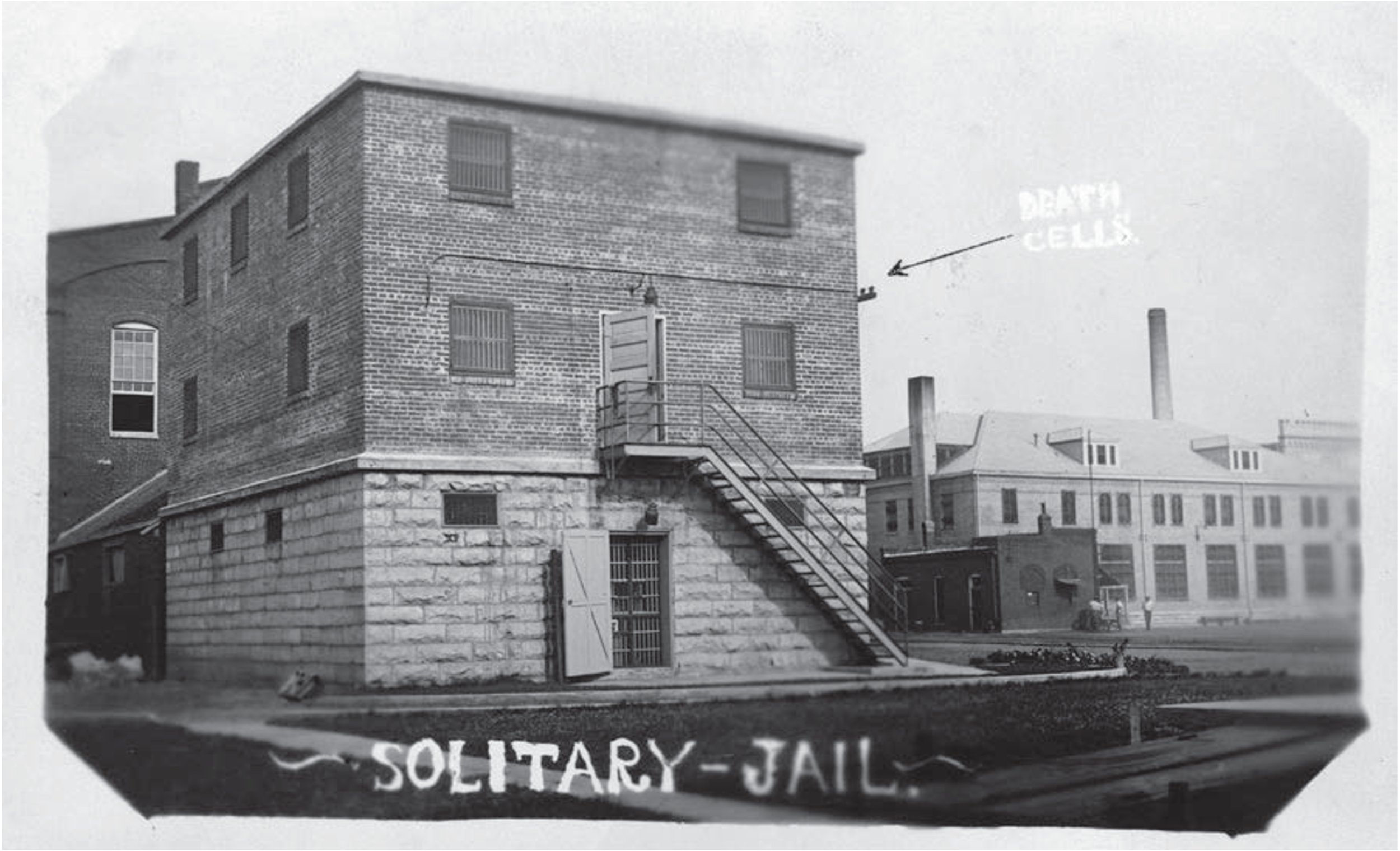
Bryan Nicholas Carter plays Father Isaac with an incredible amount of tenderness, creating a man that is committed on every level to his calling and to the men he ministers to. Victor Musoni makes a truly dazzling Jacob - filled with charisma, and leaving it a bit ambiguous about how cynical his strategy might be. These two incredible actors also deftly played with the sexual energy between the two men - creating a real tension without the benefit of seeing their faces is the work of true craftsmen. The supporting cast is uniformly excellent, but special praise is due to Torrey Hanson’s Warden, who is rendered exactly as he would have been in a 50s prison movie. You can almost hear his double-breasted suit.
For the music, I was deeply inspired by the brassy and dramatic scores of the 1950s - David Raskin’s Laura, Franz Waxman’s Sunset Boulevard, and especially the iconic Bernard Hermann soundtrack to Cape Fear. I made it fairly obvious, and I offer no apologies for stealing from my betters.